“outer skin” search results (600)
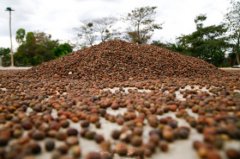
Coffee bean picking-berry processing-drying process
What we call coffee beans is actually the seeds of a cherry-like fruit. Coffee trees produce berries called coffee berries, which turn bright red to indicate ripeness and are ready for picking. The fruit clustered on the branches. Coffee berries have thick, bitter outer skins (exocarp). However, the fruit inside (mesocarp) is sweet and has a grape texture. And then parenchyma, which is like
2015-03-27 coffee beans picking berries processing drying process we said fruit
A brief introduction to the processing process of coffee beans
Within 8 hours after picking, it is necessary to peel the coffee, otherwise there will be negative fermentation, which will greatly affect the quality of coffee beans.
2014-06-20 Coffee knowledge coffee bean processing coffee encyclopedia
Know the cross section diagram of fresh coffee beans
Fresh coffee bean cross section 1, central line 2, endosperm 3, silver skin 4, endocarp (parchment) 5, gelatinous layer 6, pulp 7, outer skin
2014-10-18 Coffee knowledge coffee beans fresh coffee beans
Fine Coffee Encyclopedia barista course
The formation environment of coffee trees in botany, coffee trees belong to the evergreen trees of the subgenus Rubiaceae, and coffee beans, commonly known as coffee beans, are actually the seeds of the fruit of coffee trees, just because they are shaped like beans, so they are called coffee beans. Climate is the decisive factor for coffee cultivation. Coffee trees are only suitable for growing in the tropics or subtropics, so the zone between latitude 25 degrees south and north is generally called
2014-10-23 Coffee knowledge fine coffee encyclopedia barista tutorials
Cosmetic coffee with sugar
However, at present, there are many other functions in the regulators with skin cleaning function. Add a tranquilizer to ease irritation to the skin, a moisturizer to improve the dry state of the skin, an antibacterial ingredient to disinfect acne, and a regulator that can remove sebum. But you know, the additional function of regulators can damage the skin. For example, the added antibacterial ingredients
2014-05-13 Coffee beauty coffee knowledge coffee beans
Production conditions and soil Management of Coffee trees
Coffee trees-production conditions Coffee trees Coffee Tree Atlas 1. Planting conditions of coffee trees the ideal planting conditions for coffee trees are: the temperature climate is between 15 and 25 ℃, and the annual rainfall must reach 1500 to 2000 mm. At the same time, the rainfall time should be in line with the flowering cycle of coffee trees. Of course, in addition to the seasonal rainfall, there should be fertile soil.
2016-06-03 Coffee production conditions soil management coffee atlas planting conditions
Storage method of coffee beans roasting coffee in the oven, soot
Another important point to observe when peeling off the coffee beans is to see if the firepower is uniform when baking. If it is uniform, the outer skin and inner layer of the beans should be the same color. If the color of the surface layer is obviously much darker than that of the inner layer, it means that there may be too much firepower during baking, which will also affect the aroma and flavor of coffee beans. Pay attention to the purchase of coffee beans
2016-06-06 Coffee beans storage method oven coffee soot
Introduction to Coffee trees
First, the planting and regional distribution of coffee trees. Botanically, coffee trees belong to the subgenus Rubiaceae, but coffee beans, commonly known as coffee beans, are actually the seeds of the fruit of coffee trees, just because they are shaped like beans, so they are called coffee beans. Climate is the decisive factor for coffee cultivation. Coffee trees are only suitable for growing in the tropics or subtropics, so the latitude between south and north is between 25 degrees.
2014-11-07 Coffee knowledge coffee common sense coffee tree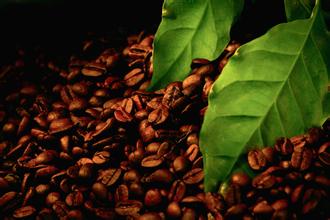
Geo-climatic production process of coffee in Rwanda
Maraba Coffee, the geographic and climatic editor, is grown in southern Rwanda, about 12km (7 miles) from the city of Butare and 150km (93 miles) from the capital, Gejali. The plan began in the Malaba area of Butare province, but was taken over by a local government organization in 2006, which is now part of the Huye district of the southern province. Due to its proximity to the East African Rift Valley and Neuenweisen,
2016-05-29 Rwanda Coffee Geography Climate production process Editor Malaba
Geo-climatic production process of coffee in Rwanda
Malaba Coffee grows in southern Rwanda, about 12 kilometers (7 miles) from the city of Butare and 150 kilometers (93 miles) from the capital, Gejali. The plan began in the Malaba area of Butare province, but was taken over by a local government organization in 2006, which is now part of the Huye district of the southern province. Due to its proximity to the East African Rift Valley and the Neuenway Forest Mountains, this area has many topography.
2016-05-29 Rwanda coffee geography climate production process Malaba Raba better than
Malaba coffee grown in southern Rwanda Lutechiro, Western Province
Maraba coffee is grown in southern Rwanda, about 12 km (7 mi) from Butare and 150 km (93 mi) from the capital, Gigali. The project began in the Malaba area of Butare province, but was succeeded by local government organizations in 2006, and the area is now part of the Huye region of Southern province. Due to its proximity to the Great Rift Valley and the Nunwe Forest Mountains, the terrain of this zone
2016-07-02 long rwanda south malaba laba coffee western province te xi producing area
Malaba Coffee from Coffee producing areas in Southern Rwanda
Grows in southern Rwanda, about 12 km (7 miles) from the city of Butare and 150 km (93 miles) from the capital, Gejali. The plan began in the Malaba area of Butare province, but was taken over by a local government organization in 2006, which is now part of the Huye district of the southern province. Due to its proximity to the East African Rift Valley and the Neuenway Forest Mountains, the terrain is sloping and steep.
2016-06-18 Rwanda South Coffee producing areas species Malaba Rabbah longer than
Introduction to the basic knowledge of Fine Coffee
First, the planting and regional distribution of coffee trees. Botanically, coffee trees belong to the subgenus Rubiaceae, but coffee beans, commonly known as coffee beans, are actually the seeds of the fruit of coffee trees, just because they are shaped like beans, so they are called coffee beans. Climate is the decisive factor for coffee cultivation. Coffee trees are only suitable for growing in the tropics or subtropics, so the latitude between south and north is between 25 degrees.
2015-04-22 Boutique coffee basics common sense introduction planting region distribution botany
Coffee beans travel
The coffee we drink comes from the roasting and grinding of coffee beans, and the magic coffee tree provides it all.
2014-05-23 Coffee knowledge coffee beans coffee encyclopedia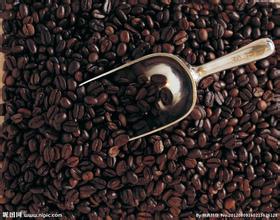
Boutique coffee Rwanda coffee origin Rwanda coffee practice
Rwandans have been growing coffee since colonial times, but until 1999, its products were still classified as below Class C and were not popular in the global market. The reason for the poor quality is that farmers do not have a fixed procedure for washing coffee beans and do not process coffee fruits according to specifications in time. Buyers buy coffee beans at $0.33 per kilogram, and farmers keep warm by the meagre profits earned at low prices.
2016-05-15 Boutique coffee Rwanda origin practice
Coffee technology: teach you how to distinguish Kopi Luwak
Generally speaking, in order to highlight the characteristics of its shit, the real Kopi Luwak does not go to the missing bean shell, or the coffee beans after the missing bean shell, it is very difficult for us to distinguish whether it is the real Kopi Luwak, and it is very easy to fake it. as for the baked beans to distinguish, then doubling is an impossible mission. If Kopi Luwak wants to be vivid, the most important thing is to be alive.
2014-09-04 Coffee knowledge distinguish between Kopi Luwak and Kopi Luwak
Fine coffee Rwanda coffee manor Rwanda coffee producing area
Rwandans have been growing coffee since colonial times, but until 1999, its products were still classified as below Class C and were not popular in the global market. The reason for the poor quality is that farmers do not have a fixed procedure for washing coffee beans and do not process coffee fruits according to specifications in time. Buyers buy coffee beans at $0.33 per kilogram, and farmers keep warm by the meagre profits earned at low prices.
2016-05-15 Boutique coffee Rwanda manor producing area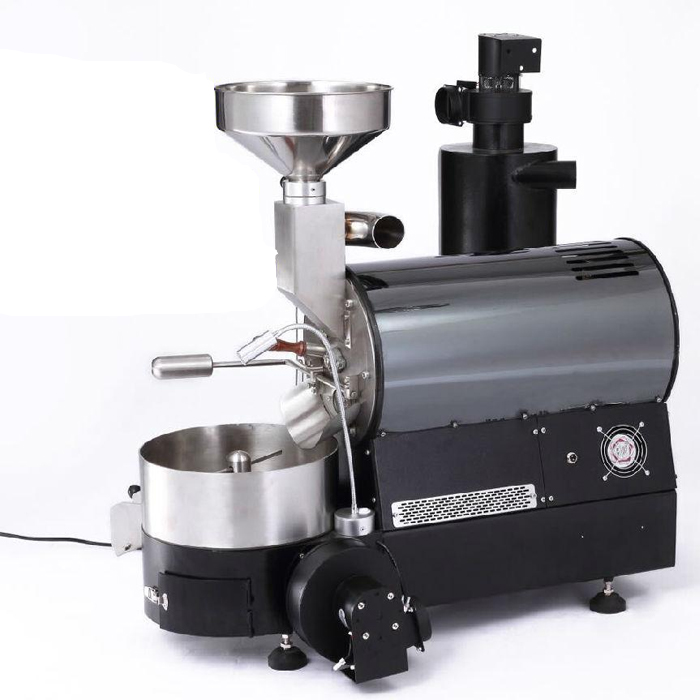
Coffee roaster: what are the specific categories of common coffee roasting machines?
1. Hot air coffee bean roaster the hot air roaster uses a blower to suck in air, then lets the air pass through a heating coil to raise its temperature, and uses hot air as a heating source to bake coffee beans. hot air can not only provide the temperature needed for baking, but also use the power of airflow to stir coffee beans, killing two birds with one stone. Advantages: high thermal efficiency, fast heating, heating ratio of raw beans
2015-12-09 Coffee roaster common roasting machinery specific category what kind hot air coffee
Southern part of Malaba Coffee production area, a coffee variety from Rwanda
Malaba Coffee grows in southern Rwanda, about 12 kilometers (7 miles) from the city of Butare and 150 kilometers (93 miles) from the capital, Gejali. The plan began in the Malaba area of Butare province, but was taken over by a local government organization in 2006, which is now part of the Huye district of the southern province. Due to its proximity to the East African Rift Valley and the Neuenway Forest Mountains, the terrain
2016-06-16 Rwanda Coffee Variety Malaba Rabbah production area South Rabah
Common roaster types of coffee beans at present
(1) Common roaster types 1. The hot air type bean dryer uses the blower to absorb the air, and then let the air raise its temperature through a heating coil, and use the hot air as the heating source to bake the coffee beans. hot air can not only provide the temperature needed for baking. you can also use the power of air to stir coffee beans and kill two birds with one stone. Advantages: high thermal efficiency, fast heating, raw beans
2015-04-17 At present common coffee beans roaster type hot air